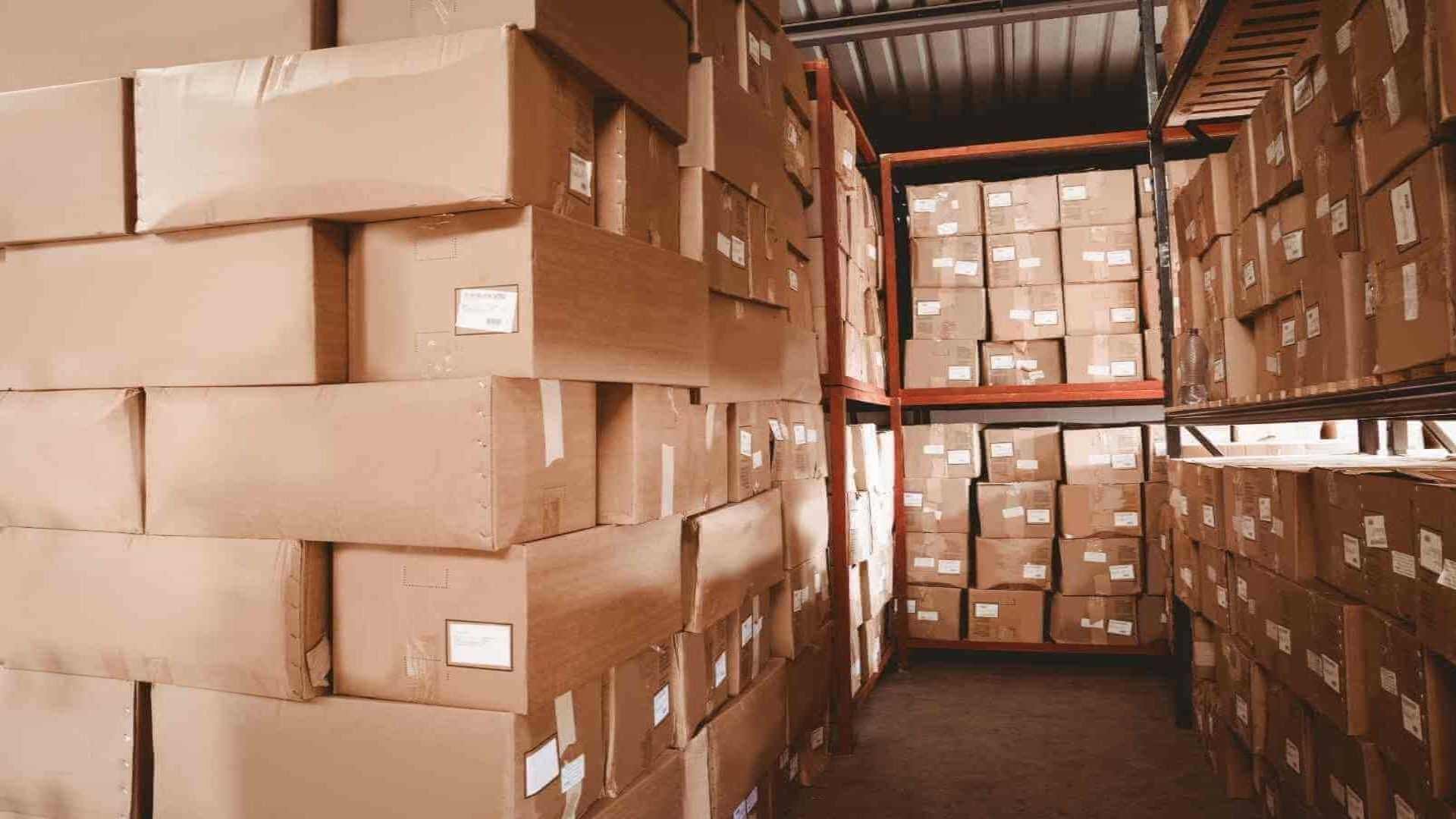
Excess inventory can tie up cash, occupy valuable warehouse space, and create ongoing storage and handling expenses. Whether the stock resulted from changing customer demand, cancelled orders, seasonal buying, packaging updates, or slow sales, keeping it indefinitely may reduce its value even further.
Selling unwanted stock to professional inventory buyers provides a practical way to recover value without listing and shipping each item individually. However, the condition of your products, quality of your inventory information, current market demand, and timing of the sale can all affect the offer you receive.
This guide explains how to sell excess inventory, what bulk buyers consider during an evaluation, and how to prepare your stock for a faster and smoother transaction.
What Is Excess Inventory?
Excess inventory is stock that exceeds a company’s current or expected customer demand. These products may still be new, usable, and suitable for resale, but they are no longer moving efficiently through the company’s usual sales channels.
Common examples include:
- Overstocked products
- Closeout merchandise
- Discontinued product lines
- Seasonal stock
- Customer returns
- Shelf pulls
- Cancelled orders
- Products with older packaging
- Amazon FBA inventory
- Aged and slow-moving products
- Surplus stock from a warehouse or business closure
Excess inventory does not necessarily mean worthless inventory. Many products retain resale value, particularly when they are properly stored, accurately documented, and presented to the right buyer.
Why Should Businesses Sell Excess Inventory?
Some businesses hold slow-moving stock because they hope to recover its original wholesale or retail value. However, waiting can create additional expenses and reduce the likelihood of a satisfactory recovery.
Release money tied up in stock
Money invested in unsold products cannot be used elsewhere in the business. Selling excess inventory can turn dormant stock into working capital for new products, marketing, payroll, or other operational requirements.
Reduce warehouse expenses
Excess products consume valuable storage space and may increase handling, insurance, security, and warehouse management costs.
Make room for profitable products
Clearing older merchandise allows businesses to use their available warehouse capacity for products with stronger and more consistent demand.
Prevent further depreciation
Products can lose value because of changing trends, updated models, approaching expiration dates, new packaging, or shifting consumer preferences. Selling earlier may produce a better outcome than waiting until demand disappears.
Simplify inventory management
Managing unwanted stock requires staff time, stock counts, reporting, and warehouse organisation. Removing it can make overall inventory management more efficient.
How Do Bulk Inventory Buyers Work?
Bulk inventory buyers purchase quantities of products directly from retailers, manufacturers, wholesalers, distributors, and eCommerce sellers.
Instead of requiring a business to find hundreds of individual customers, a buyer can evaluate and purchase a complete inventory lot. Depending on the products and opportunity, this may include several pallets or full truckloads.
The process usually follows four stages:
- The seller submits an inventory manifest and supporting information.
- The buyer assesses the condition, quantity, demand, and resale potential.
- The seller receives an offer based on the available information.
- Once the terms are accepted, payment and collection are arranged.
Working with a direct buyer can reduce the time, labour, and uncertainty involved in selling unwanted products individually.
How to Sell Excess Inventory Step by Step
1. Identify the Products You Need to Sell
Begin by reviewing your inventory reports and separating products that no longer support your sales or operational goals.
Look for merchandise with:
- Little or no recent sales activity
- Quantities significantly above forecasted demand
- Declining customer interest
- High storage and handling costs
- Upcoming model or packaging changes
- Limited seasonal relevance
- Low profit after fulfilment expenses
Avoid assessing the stock based only on its original purchase price. Consider its current market value and how much it will cost to continue storing and managing it.
Establishing an internal ageing policy can help your team identify slow-moving products before they lose a significant amount of resale value.
2. Create an Accurate Inventory Manifest
An inventory manifest is one of the most important parts of the liquidation process. It gives buyers the information they need to evaluate the products and prepare an offer.
Your manifest should include:
- Product name
- Brand
- SKU or model number
- UPC or barcode
- Available quantity
- Number of cases or pallets
- Product condition
- Packaging condition
- Original wholesale or retail value
- Expiration date, where applicable
- Warehouse location
Use a clear spreadsheet when selling multiple products. Check that the quantities listed in the document match the stock physically available in your warehouse.
Missing or inaccurate information may delay the evaluation or cause the offer to change after an inspection.
3. Classify the Product Condition Honestly
Condition has a significant influence on liquidation value. Separate the inventory into clear categories rather than using one general description for the entire lot.
Common classifications include:
- New and factory-sealed
- New with damaged packaging
- Open-box
- Shelf pulls
- Tested customer returns
- Untested customer returns
- Refurbished
- Used
- Damaged or incomplete
If you are selling customer returns, explain whether the products have been inspected, tested, sorted, or graded. Unsorted returns may still be considered, but their uncertain condition will usually affect their valuation.
Accurate condition details make it easier for buyers to calculate a realistic offer and help prevent disagreements later in the process.
4. Take Clear Product and Warehouse Photographs
Photographs allow inventory buyers to verify the type, condition, packaging, and approximate volume of the merchandise.
Include images of:
- Individual products
- Product labels and barcodes
- Original packaging
- Cases and cartons
- Complete pallets
- Any visible damage
- Expiration dates where relevant
- The overall volume of inventory
Use bright lighting and ensure labels are readable. For large lots, provide both close-up photographs and wider warehouse images showing the complete quantity.
If products have damaged packaging, photograph the damage clearly instead of attempting to hide it. Transparency makes the transaction more reliable for both parties.
5. Gather Supporting Documents
Depending on the products, a buyer may request documentation to verify authenticity, ownership, condition, or product specifications.
Useful supporting documents can include:
- Purchase invoices
- Packing lists
- Product specification sheets
- Testing or grading reports
- Certificates where applicable
- Amazon FBA inventory reports
- Details of brand or resale restrictions
Providing these documents during the initial submission can speed up the review and increase the buyer’s confidence in the inventory.
6. Submit Your Inventory for Evaluation
Once your manifest, photographs, and supporting documents are ready, submit your inventory for review.
Include as much relevant information as possible in the initial submission. This helps the buyer assess the opportunity without repeatedly contacting you for missing details.
If the lot contains different categories or product conditions, explain how the inventory is divided. You should also mention any deadline for removing the stock from your warehouse.
7. Review the Complete Offer
The highest quoted amount is not always the best overall deal. Before accepting an offer, review every part of the proposed transaction.
Confirm:
- The final purchase price
- The products and quantities included
- The expected payment date
- Any inspection requirements
- Who will arrange transportation
- Whether freight costs will be deducted
- The planned collection date
- Whether the offer covers the complete lot
- Any resale or brand restrictions
Ask questions if any part of the offer is unclear. A reliable buyer should be able to explain the purchase price, payment terms, collection process, and any conditions attached to the transaction.
8. Arrange Payment and Collection
Once you accept the offer, confirm the final agreement in writing before releasing the products.
Prepare the stock for collection by:
- Labelling each pallet
- Confirming case and unit quantities
- Separating different product conditions
- Securing loose merchandise
- Providing suitable access for loading
- Preparing the relevant collection documents
Good warehouse preparation can prevent loading delays, product damage, and quantity discrepancies.
What Factors Affect an Inventory Liquidation Offer?
Inventory liquidation values are not calculated using one fixed percentage. Buyers consider the complete commercial opportunity before determining what they can offer.
Current market demand
Products with consistent customer demand are generally easier to purchase and redistribute. Highly specialised, outdated, or trend-dependent merchandise may have a smaller resale market.
Product condition
New, factory-sealed, and retail-ready merchandise normally has stronger resale potential than untested returns, incomplete products, or stock with damaged packaging.
Product age
Current product models and packaging may attract more interest. Older merchandise can lose value when updated versions enter the market.
Quantity and consistency
A large quantity of consistent products may be easier to evaluate and resell than a mixed lot containing small amounts of many unrelated items.
Brand recognition
Recognisable brands may attract stronger demand. However, buyers must also consider authorised distribution policies, marketplace restrictions, and other resale requirements.
Expiration dates
Products with expiration dates need enough remaining shelf life for collection, distribution, and resale. Waiting too long to liquidate these products can significantly reduce their value.
Warehouse location and freight costs
The warehouse location, product weight, number of pallets, and transportation requirements can affect the economics of the transaction.
Quality of documentation
Accurate manifests, invoices, UPC data, photographs, and condition reports make the stock easier to verify and resell.
What Are the Different Ways to Sell Excess Inventory?
Businesses have several options for moving unwanted merchandise. The right approach depends on the quantity, condition, time available, and desired level of involvement.
Run a clearance sale
Discounting products through your existing store may work for smaller quantities. However, clearing the full inventory could take time, and significant discounts may affect your normal pricing strategy.
Use online marketplaces
Online marketplaces give businesses access to individual customers, but they also require listing creation, fulfilment, customer service, returns management, and platform fees.
This method may be unsuitable when the primary goal is to remove a large quantity quickly.
Donate eligible products
Donating eligible products can support charitable organisations. Potential tax treatment varies, so businesses should review the IRS guidance on charitable contributions and consult a qualified tax professional before making decisions based on possible deductions.
Recycle or dispose of unusable stock
Products that are recalled, unsafe, severely damaged, expired, or no longer usable may need to be recycled or disposed of responsibly.
Disposal should generally be considered after determining whether the stock still has a legitimate secondary-market value.
Sell to a bulk inventory buyer
Working with bulk inventory buyers can be more practical when speed, cash recovery, warehouse space, and operational simplicity are the main priorities.
Instead of processing individual orders, the business can complete a larger transaction with one buyer.
Can You Sell Amazon FBA Inventory in Bulk?
Amazon sellers may accumulate excess stock because of changing demand, increased competition, listing restrictions, high storage costs, or products that are no longer profitable.
Amazon provides sellers with options for removing stock from fulfilment centres. Before planning a bulk sale, review Amazon’s official guidance on removing inventory from a fulfilment centre.
After arranging the appropriate removal method, prepare an inventory report containing:
- ASINs and SKUs
- Product names
- Available quantities
- Product condition
- Fulfilment centre or removal location
- Estimated removal schedule
- Relevant brand restrictions
Providing these details allows the buyer to understand what is available and how the inventory can be collected or delivered.
Common Mistakes to Avoid When Selling Excess Inventory
Waiting until products lose demand
Excess inventory rarely becomes easier to sell as it ages. Create a process for identifying and reviewing slow-moving stock before its resale potential declines.
Providing an incomplete manifest
Buyers cannot prepare an accurate offer without product names, quantities, condition details, and location information.
Using unclear condition descriptions
Terms such as “good condition” are subjective. Use clear descriptions such as factory-sealed, open-box, tested return, untested return, or damaged packaging.
Hiding defects or restrictions
Undisclosed damage, expiration dates, or resale restrictions may cause the offer to be reduced or withdrawn after inspection.
Ignoring ongoing storage costs
Compare the expected future selling price with the full cost of continuing to store, handle, insure, and manage the products.
Accepting unclear payment terms
Confirm the payment method, payment schedule, deductions, inspection requirements, and collection responsibilities before releasing your inventory.
Focusing only on the quoted price
A slightly higher offer may not be better if it includes unexpected deductions, long delays, or complicated collection arrangements.
How to Choose Reliable Inventory Buyers
Before entering a transaction, make sure the buyer is professional, transparent, and capable of handling your inventory volume.
Ask potential buyers:
- What types of inventory do you purchase?
- What quantities do you accept?
- Do you purchase the products directly?
- Can you buy the entire lot?
- How quickly can you evaluate my manifest?
- Who handles pickup and transportation?
- When is payment issued?
- Are there any fees or deductions?
- Can you follow brand or resale restrictions?
- What documents do you require?
You can learn more about the company’s purchasing approach on the About Inventory Buyers page and find answers to common questions in the inventory liquidation FAQ.
Turn Excess Stock Into Working Capital
Excess inventory does not have to remain a permanent drain on your warehouse space and cash flow. The key is to identify slow-moving products early, organise the relevant information, and present the merchandise clearly to suitable buyers.
A detailed manifest, honest condition grading, clear photographs, and supporting documents can make the evaluation faster and more accurate. Reviewing the entire transaction—not only the headline price—also helps you choose an arrangement that meets your business needs.
Inventory Buyers works with retailers, manufacturers, wholesalers, distributors, and eCommerce sellers looking to sell bulk overstock, closeouts, customer returns, and surplus merchandise.
Submit your inventory to share your stock details and request an evaluation.
Frequently Asked Questions
What is the fastest way to sell excess inventory?
Selling a complete lot to a bulk inventory buyer is often faster than listing and shipping products individually. Preparing an accurate manifest, condition details, and clear photographs can accelerate the evaluation.
What information do inventory buyers require?
Buyers generally need product names, brands, SKUs or UPCs, quantities, condition details, photographs, packaging information, and the warehouse location.
Do inventory buyers purchase customer returns?
Customer returns may be accepted in tested, untested, sorted, or unsorted condition. Their condition and grading will influence their resale potential and the resulting offer.
Can I sell discontinued or closeout products?
Yes. Discontinued products and closeout merchandise may retain resale value depending on their condition, quantity, age, brand, and current market demand.
Can I sell Amazon FBA stock to an inventory buyer?
Yes. Amazon sellers can sell excess or slow-moving FBA inventory in bulk after arranging an appropriate removal or delivery method.
How quickly can I receive an offer?
Inventory Buyers states that it can provide an offer within 24 hours after receiving sufficient inventory information. Missing quantities, photographs, or condition details may delay the evaluation.
What quantities do bulk inventory buyers purchase?
Bulk buyers generally focus on commercial quantities, such as pallets, large lots, and full truckloads. Each opportunity may be evaluated individually according to the products and available quantity.